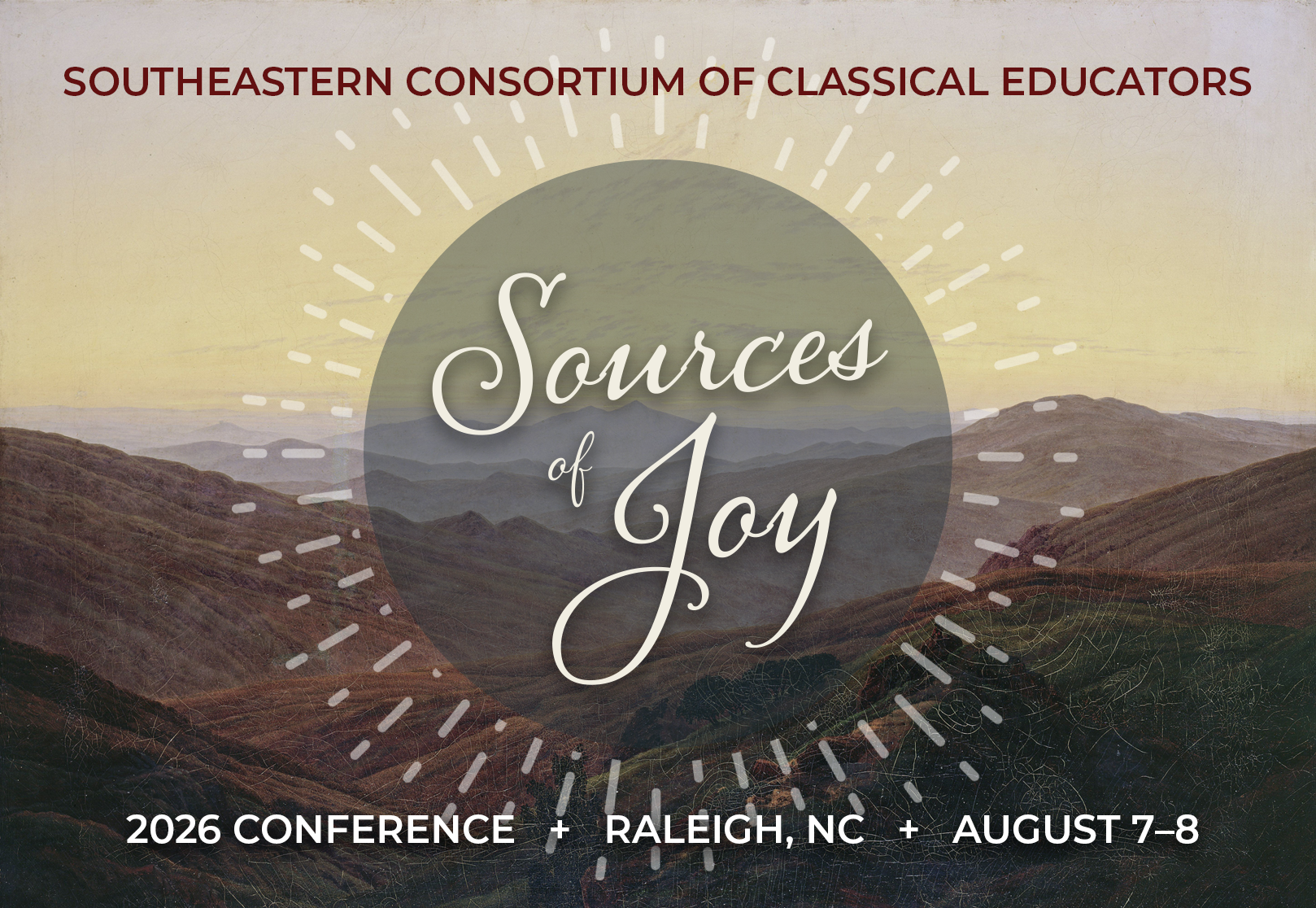
August 7-8, 2026
The Southeastern Consortium of Classical Educators is hosted by Christ the King Presbyterian Church (PCA) in Raleigh, NC in partnership with Kepler Education.
See schedule below for specific conference location details
- Early Bird Discount $149 through July 31.
- Afterward July 31, the price increases to $199.
- Student and Teachers may email Dr. Josh Herring at Jherring@logresinstitute.org for a special student and teacher discount code.
Source of Joy
Teaching ought to be an immense source of joy for those engaged in the transformation of student souls through encounters with truth. Classical education has a high view of the human person, and a high view of education: All human beings are made in the divine image, and as such we have not yet reached the end of human potential. Through education, students encounter Truth, Beauty, and Goodness, and develop into humans who know reality.
In previous years, the Southeastern Consortium has been organized around the literary canon and Redeeming ‘Humanism.’ In the third gathering of teachers, we will consider specific elements of classical education that give rise to joy. When we reflect on our embodied nature, PE shifts from being just a state requirement to a beautiful opportunity to help students incarnate virtue. Classical education’s rich understanding of human nature is itself a joy; teachers and students both are nourished through their conversations and exercises in the various academic disciplines. When teachers perceive the beauty, wonder, and joy founding humane learning, preparation for tomorrow’s lesson become nourishing to the soul.
Come join the Southeastern Consortium of Classical Educators as we feast, contemplate, and rejoice in the life God has given. These days “under the sun” are brief, but the work we do is of eternal import.
2026 Speakers and Schedule

Mr. Patrick Whalen, Iliad Athletics, Speaking on “The Body in Classical Education”
Aristotle and Aquinas agree that our capacity for reason depends upon an imagination well stocked with forms derived from our senses, also known as primary impressions. But children in our highly technologized day are growing up with fewer and fewer experiences of un-mediated nature, or the real world. This talk seeks to articulate how the body and physical experience constitute the soil in which the seeds of classical learning are planted. Physical Education can cultivate that soil so it proves hospitable to the growth of wisdom.

Mr. Dale Stenberg, Pietas Classical Christian, Speaking on “Happiness as a way of life, or: Pursuing Eudomonia.”
What does it mean to be happy? Boethius, writing from a prison cell while awaiting execution, was uniquely positioned to answer that question. Through his dialogue with Lady Philosophy, Boethius dismantles the illusion that Fortune’s gifts — wealth, power, prestige, the approval of men — can ever serve as the foundation of the happy life. Boethius drives us toward the one Good that cannot be taken, the Simple God in whom goodness is not a property but an identity — who does not have goodness the way a man has a coin in his pocket, but is goodness in His very being. Prosperity and adversity alike are instruments of providence, forming virtue in those who have eyes to see it. For those of us committed to training young people to rightly order their loves — to see the world as it truly is, with Christ at the cosmological center — Boethius is not merely a historical curiosity. He is a guide we desperately need.

Dr. Josh Herring, The Logres Institute for Classical Liberal Studies, Speaking on History as a Source of Joy
Rather than an endless set of dates, names, and events to memorize, history becomes a source of joy when we imaginatively inhabit the lives of men and women of the past. By learning to focus on history as the search for what we in the present have in common with those in the past, we inevitably learn what is different about the desires, motivations, and dreams of past generations. History is est studied through the raw materials of the past, and as such becomes a source of wonder. This talk will draw on the work of Herbert Butterfield, John Lukacs, Richard Gamble, and Brad Birzer to equip teachers to see in their historical studies a source of joy.

Dr. Scott Postma, Speaking on Literature as a Source of Joy.
Dr. Scott Postma lives in the chimney of Idaho with his wife of more than 30 years. He has four adult children and more than a handful of delightfully rambunctious grand babies. He is the president of Kepler Education, edits The Consortium: A Journal of Classical Christian Education, teaches humanities courses for high school and college students, and is a religious practitioner of the ancient art of Tsundoku. He has two forthcoming books: A Primer on Classical Christian Education and Between Secularism and Theocracy: Recovering Christian Humanism for a Post-Christian Culture. You can find his other writings on Substack at Books and Letters.
Breakout Sessions Speakers – More Details Coming Soon

Dr. Sean Hadley – The Joy of Commonplacing: Blending Reading, Research, and the Imagination in the Classroom (Geoff’s Office)
Commonplacing should be the central written exercise in a classical humanities classroom for it serves as a boundless source of delight for teachers and students alike. This seminar discussion will attempt to lay the groundwork for this claim, with brief readings related to some of this method’s most well-known practitioners, including John Milton and Ronald Reagan.

Patrick Halbrook – A Joyful Capstone: Senior Thesis Projects that Enrich the School Community (Elliot’s Office)
Senior thesis papers and presentations can be one of the most delightful parts of the school year. They can also be a source of frustration and embarrassment. What makes the difference? In this talk, Patrick will discuss how schools can turn senior thesis projects into a practical, successful, and joyful experience for students, families, and the school community.
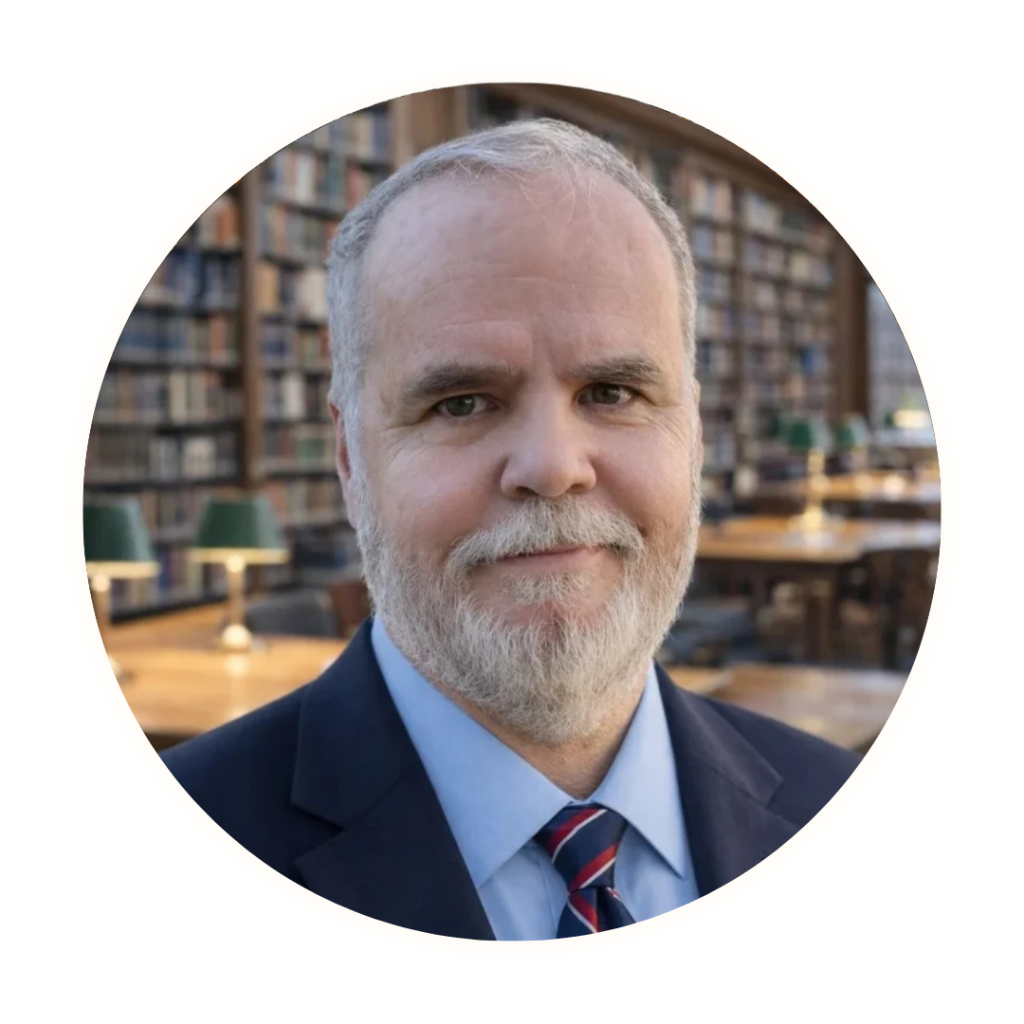
Dr. Robert Woods – Joy in Poetry: Reading Richard Wilbur (Fellowship Hall Aside)
Richard Wilbur is indisputablely one of the twentieth century’s finest poets. His words reveal a radiant wonder found within ordinary, everyday existence. His poems manifest a beautifully disciplined, classical delight that avoids sentimentality but discloses the deep design of order, beauty, and grace within our world. Wilbur’s profound vision invites us into a pure, poetic knowledge celebrating what is.

Zach Palmer – Teaching Politics to Teenagers: Promoting Civility Through Joy (Room 3)
Teaching politics to teenagers can be a daunting task. Teachers must wrestle with youthful inexperience combined with minds prone to favoring pathos over logos. But when a teacher models joyful civility while simultaneously introducing students to the historical tradition from which ideas derive their substance, students become steeped in the essence of politics: speech directed towards cultivating justice and the common good.
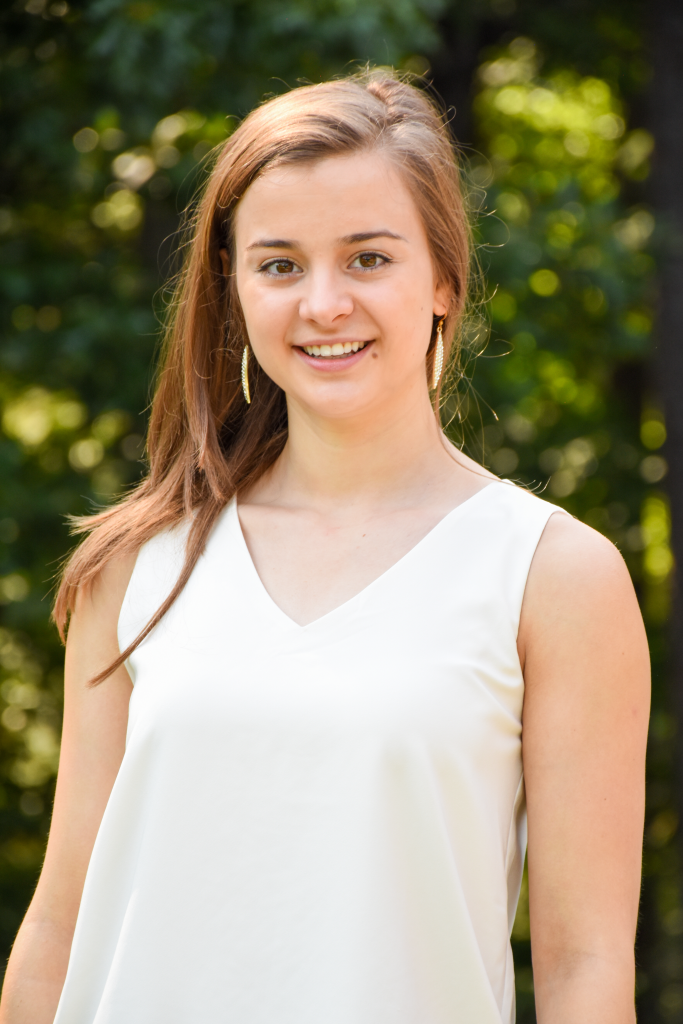
Holly Appleton – Science, Bible, and Joyful Reading (Room 2)
The works in Scripture are many things: Genesis, the history of the origins of humanity; Proverbs, the collection of a lifetime of wisdom from the world’s wisest man; Song of Solomon, a drama portraying the discernment between love and lust; all wonderful sources of knowledge and together, the narrative arc of our redemption. But, when the reader approaches the Scriptures from a posture to enjoy, to be delighted, to connect, they are met with the character, personality, and joy of a God who unveils himself in a manner personalized to the heart of the reader, even that of the hardcore scientist.
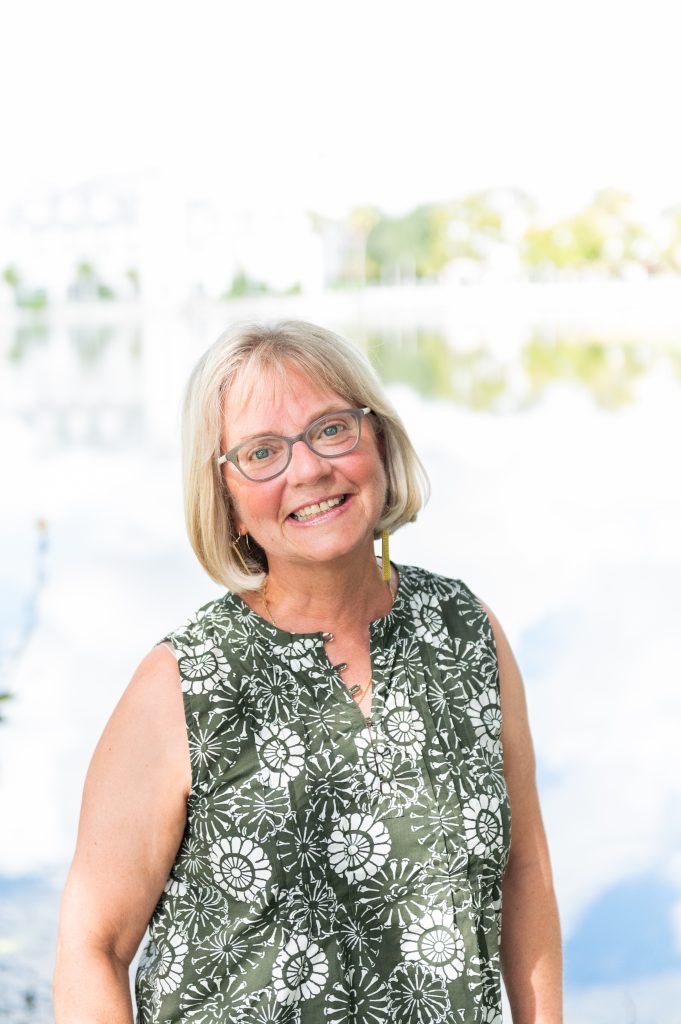
Jan Herring – The Story That Starts It All (Upstairs Conference Room)
This seminar offers a concise overview of the book of Genesis, highlighting its major themes, key events, and foundational message. Participants will discover the joy of seeing how Genesis reveals God’s purposes and sets the stage for the rest of Scripture. Jan Herring will teach participants the Walk through the Bible approach to the Book of Genesis, helping all see how movement, story, and repetition encourages learning God’s Word.
Schedule
Friday – August 7th
- 4-6pm EST: Conference Sponsors – set up tables at Christ the King Presbyterian Church, in the Fellowship hall (where the Saturday conference session will be located).
- 6-6:30pm: Registration open; decaf coffee and dessert available.
- 6:30-8pm: We will gather at Christ the King Presbyterian for an opening panel discussion between our keynote speakers about education, joy, and the life of the school.
- Hospitality Location: 8:30-? – Lynnwood Brewing Concern (1 mile from CtK)
| Saturday – Aug 8th | Schedule | Details |
|---|---|---|
| 8:00-8:30 am | Arrival and check in at Christ the King Presbyterian Church Fellowship Hall | Address: – 1417 Clifton St., Raleigh, NC 27604 |
| 8:30-9:15 am | Plenary 1 – Mr. Patrick Whalen (Fellowship Hall) | Classical Education, P.E., and the Body: Reclaiming Missed Opportunities |
| 9:30-10:00 am | Break | Coffee and Light Refreshments available (Fellowship Hall) |
| 10:00-11:00 am | Plenary 2 – Dr. Scott Postma | Literature as Source of Joy |
| 11:00-11:15 am | Break | Coffee and Light Refreshments available (Fellowship Hall) |
| 11:15 am -12:15 pm | Breakout Session 1 (Six locations) | |
| 12:15-1:00 pm | Lunch in the Fellowship Hall | Ole Time BBQ |
| 1:15-2:15 pm | Plenary 3 – Mr. Dale Stenberg | Boethius’s Consolation of Philosophy: Human Nature as Source of Joy |
| 2:15-2:30 pm | Break | |
| 2:30-3:30 pm | Breakout Session 2 | |
| 3:45-4:30 pm | Plenary 4 – Dr. Josh Herring | History: Studying the Past as Source of Joy |
| 4:30-4:45 pm | Closing Remarks – Mr. Patrick Halbrook | |
| 5pm – Post-conference Hospitality location TBD | ||
Conference Sponsors






THE CONSORTIUM OF CLASSICAL EDUCATORS IS AN INITIATIVE OF KEPLER EDUCATION TO PROVIDE RESOURCES AND REGIONAL CONNECTIONS FOR CHRISTIAN FAMILIES, TEACHERS, AND EDUCATIONAL ORGANIZATIONS TO EXPAND THE REACH OF CLASSICAL EDUCATION AND FOSTER HUMAN FLOURISHING FOR GENERATIONS TO COME.